
Weekly Wanderings
There's nothing more American than making a medicine way too expensive for the people who need it, plus a deadly lemonade, and more...


When life gives you lemons, Panera gives you caffeine…
Panera Bread, the company famous for soups and putting strawberries in salads, is in hotter water than the devil's bathtub thanks to their charged lemonade, a caffeine-infused beverage. A large drink has more caffeine than a Monster or Red Bull, and for this reason, the company is facing two wrongful death lawsuits.
A 46-year-old Florida man died after consuming three charged lemonades, and a 21-year-old woman died. Panera claims to have enhanced their caffeine disclosure, which basically means that before, it was unclear that their charged lemonades were chock-full of caffeine.
This speaks to the case of the 21-year-old woman who died in late October. She had a pre-diagnosed heart condition, and the lawsuit states she wasn't aware of the drinks’s caffeine content. She suffered cardiac arrest after a few hours of consuming the drink. Her close friend said she avoided energy drinks because of her heart condition at the recommendation from her doctors and unknowingly consumed the lemonade based on the plant-based and clean advertising.
“Panera Charged Lemonade is a juice beverage marketed to children and adults alike. This marketing is especially dangerous to a vulnerable population, children and adults who would reasonably believe this product was lemonade and safe for consumption.” The lawsuit states.
Despite the lawsuits, Panera has yet to pull their charge lemonade from the stands and offers it as part of their newest promotion, Unlimited Sip Club, a subscription-based plan that allows for unlimited refills inside Panera.
And as social media does, people posted pictures of them drinking the lemonade as a challenge, writing captions like “ drinking the lemonade that kills.”
Panera claims that the lawsuits are without merit.

2 million what? Dollars? American dollars?!!
There's possibly a new treatment for sickle cell anemia that the FDA approved, but it will cost $2.2 million per patient.
Sickle cell anemia, as most things – police brutality, maternal mortality – affects Black Americans at a much higher rate than other ethnicities
Sickle cell anemia, or sickle cell disease (SCD) is a inherited blood disorder that is present from birth, which can range in severity.
Researchers hypothesize that SCD evolved in the human population to protect people against malaria, and seeing how malaria is predominantly concentrated in Africa, scientists believe that people with the sickle cell trait are less likely to have malaria.
So when the FDA recently approved a new gene editing therapy to treat SCD, it should've been a time to rejoice. Unfortunately, the treatment, Casgevy, will cost $2.2 million per patient, and that doesn't include hospital stay or the chemotherapy required.
In people with SCD, red blood cells, normally circular, resemble more of a crescent or sickle shape. This irregular shape causes blood cells to clump together, block blood flow, and deprive tissues of oxygen, resulting in people experiencing severe pain, strokes, heart disease, and organ damage.
The treatment in itself is quite complicated as it uses the gene-editing tool CRISPR to edit the DNA in someone's bone marrow stem cells. It involves months of blood transfusions, chemotherapy, and bone marrow extractions.
But with the treatment being $2 million per patient, it is going to be difficult for the Black people who are predominantly affected by the disease to get access.
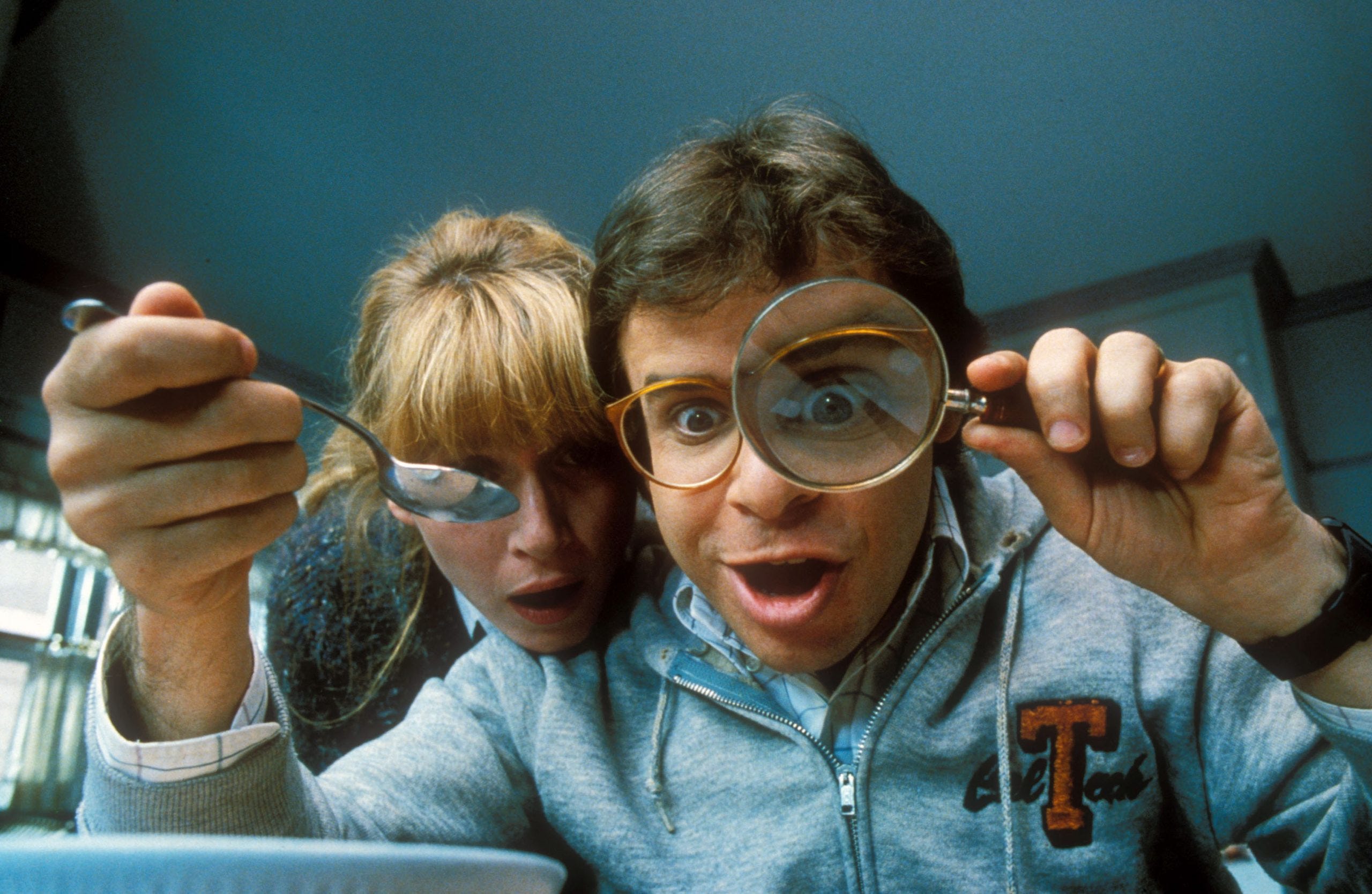
HONEY! I swallowed the doctor.
Wearable technology – watches, bracelets, rings – designed to chart our health have become a 21st-century stable as we move closer to a Ghost in the Shell future, where we are more machine than man.
The digital health company Celero Systems is going a step further than basic wearables. Now, they’re developing an electronic pill that can measure heart rate, breathing rate, and core temperature all from the inside.
The size of a multivitamin will allow doctors to recognize breathing problems from asthma or irregular heartbeats. It even has the potential to recognize overdoses and contact emergency services.
The pill comes in a biocompatible plastic capsule with tiny sensors, a microprocessor, a radio antenna, and batteries. Unlike other ingestible health-tracking tech, Celero’s pill can distinguish between the sounds of heartbeats and breaths to produce more accurate data. It stays in the digestive system for a few days before it exits via a bowel movement.
It’s giving Rick and Morty Anatomy Park.